CUHK Faculty of Engineering Researchers Develop New Business Model to Make Broadband Wireless Services Economical and Sustainable

Date: 
2014-09-10
Thumbnail: 
Body: 

The Network Communications and Economics Lab (NCEL) led by Prof. Jianwei Huang, Department of Information Engineering, The Chinese University of Hong Kong (CUHK), has recently proposed a novel information market model for utilizing idle TV white space spectrum, which can bring a significant profit to the white space database operator, while guaranteeing mobile users' high quality wireless communication service. This work won the Best Paper Award in IEEE WiOpt 2014 (http://www.wi-opt.org), a single-track leading wireless conference focusing on modeling and optimization of wireless networks. 

In most places, radio spectrum is allocated by strict licensing to different wireless applications.  Driven by the explosive growth in smartphones and bandwidth-hunger applications, radio spectrum is becoming an increasingly scarce resource. It is becoming increasingly challenging for the current 3G/4G cellular network to fully satisfy the fast growing demands. Many countries have been trying to utilize the unused or under-utilized TV broadcast frequency channels (TV white space) to provide the so-called super Wi-Fi services. Comparing with today's traditional Wi-Fi technology, super Wi-Fi can extend the coverage to several to tens of kilometers. For example, a single super Wi-Fi base station with 30km coverage radius can cover an area of 2,000 CUHK campus. Regarding the transmission data rates, the current Wi-Fi technology can support a transmission rate of 5Mbps/MHz at a distance of 35 meters in an indoor environment. The super Wi-Fi can achieve the same indoor transmission rate at a distance of several hundreds. Moreover, due to the strong penetration capability of the super Wi-Fi technology, it can significantly improve communication qualities of smart meters and smart appliances, and facilitate large-scale deployments of new technologies such as M2M (machine to machine) and D2D (device to device) communications. 

Today, countries such as USA, UK, and Singapore have been very active in developing database-assisted TV white space network trials. There is also a sizable amount of TV white space in Hong Kong, although how it should be used is still under discussion. Recently, the local regulator, the Office of the Communications Authority (OFCA), has claimed that the government would auction off a third of the 3G spectrum currently held by city's incumbent 3G mobile network operators. This results in customers' concerns in the potential deterioration of mobile communication service quality. Exploring the use of TV white space is one of the most effective solutions for alleviating the tension between limited network capacity and fast growing customer demands.

However, in contrast to the fast technology development of TV white space networking, the development of business models for this new network architecture is significantly lagging behind. Obviously, the lack of full understanding of such a business model will hamper the commercialization of TV white space network. Through the study of new business models of TV white space networks, Prof. Jianwei Huang and his team hope to increase the utilization of TV white space, provide new business opportunities to wireless service providers, and reduce the cost for the wireless consumers.

The Business Model for TV White Space: Trade Information, Not Spectrum

In most recently proposed business models for wireless spectrum, the unlicensed spectrum users need to purchase short-term usage rights from the licensed holders in a secondary spectrum market. However, TV white space is often defined as public goods, which do not have licensed owners and cannot be directly traded. In order to tackle this challenge, the CUHK research team proposed a new business model – the information market – to trade the network information related to TV white space channels instead of the channels themselves. Accordingly to the latest TV white space technology standards, an unlicensed spectrum user needs to inquire an authorized TV white space database regarding the available white space channels, and selects one channel for its communications. This is similar as today's mobile phones' process of searching for wireless networks. In the information market model proposed by Prof. Jianwei Huang and his team, the unlicensed users can also choose to purchase information from the spectrum database regarding the white space channels. Such information includes not only the basic information regarding the availabilities of channels, but also the advanced information regarding channel quality and interference level of each channel. With such information, the unlicensed spectrum user can choose a high quality white space channel for its communications, hence avoiding significant interferences from other mobile devices and maximizing the communication quality. 

Through the information market model proposed by the CUHK NCEL team, the mobile users are able to freely choose between the free basic service and the premium information service when utilizing the TV white space channels. The TV spectrum database operators are able to make revenue through selling the advanced information, hence achieving a win-win situation. Such an information market business model can be directly applied to the current TV white space technology framework, without requiring additional investment in hardware. 

About Network Communications and Economics Lab (NCEL)

The Network Communications and Economics Lab (NCEL) was formed in 2007 by Prof. Jianwei Huang in the Department of Information Engineering, focusing on the interdisciplinary research among communications, networking, and economics.  The NCEL team has published over 160 papers in top international journals and conferences, with a total citation of more than 4,100 times. The NCEL's research results have received 7 Best Papers Awards in international venues, including the 2011 IEEE Marconi Prize Paper Award in Wireless Communications from IEEE Communications Society and IEEE Signal Processing Society. Four papers from NCEL are among the ESI Highly Cited Papers in the field of Computer Science, which are the 1% top papers in terms of citations within the field according to Essential Science Indicators from Web of Science. 

The co-authors of this awarding winning work also include Ms. Yuan Luo and Dr. Lin Gao. Ms. Luo is a PhD student under the supervision of Prof. Jianwei Huang, and received the prestigious Hong Kong PhD Fellowship from Hong Kong Research Grant Council in 2011, with a monthly award of HKD20,000 for three years. Dr. Lin Gao is a Postdoc Research Fellow in CUHK, and received the Best Paper Awards from IEEE WiOpt in both 2014 and 2013. For more information, please see http://jianwei.ie.cuhk.edu.hk.

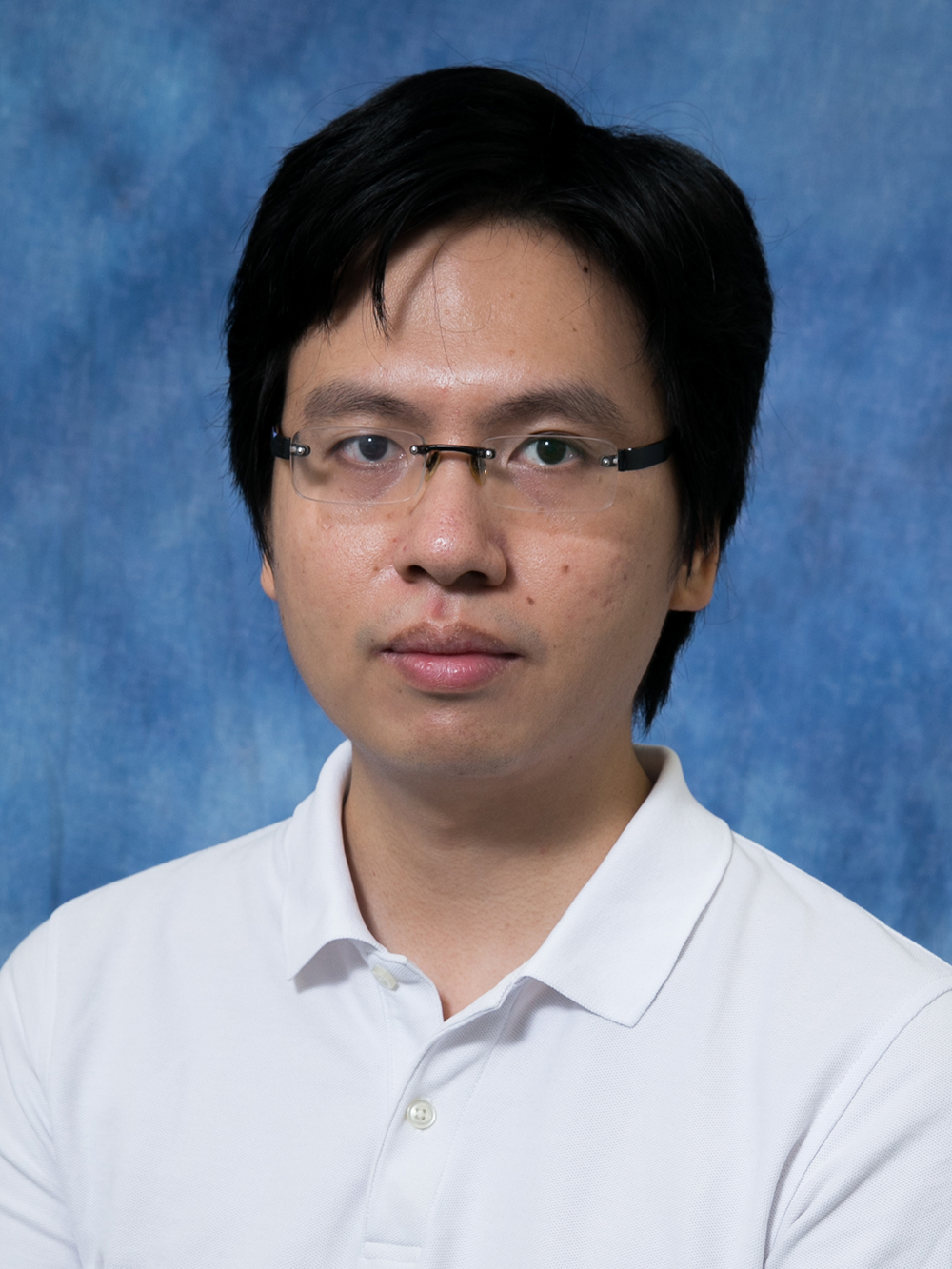
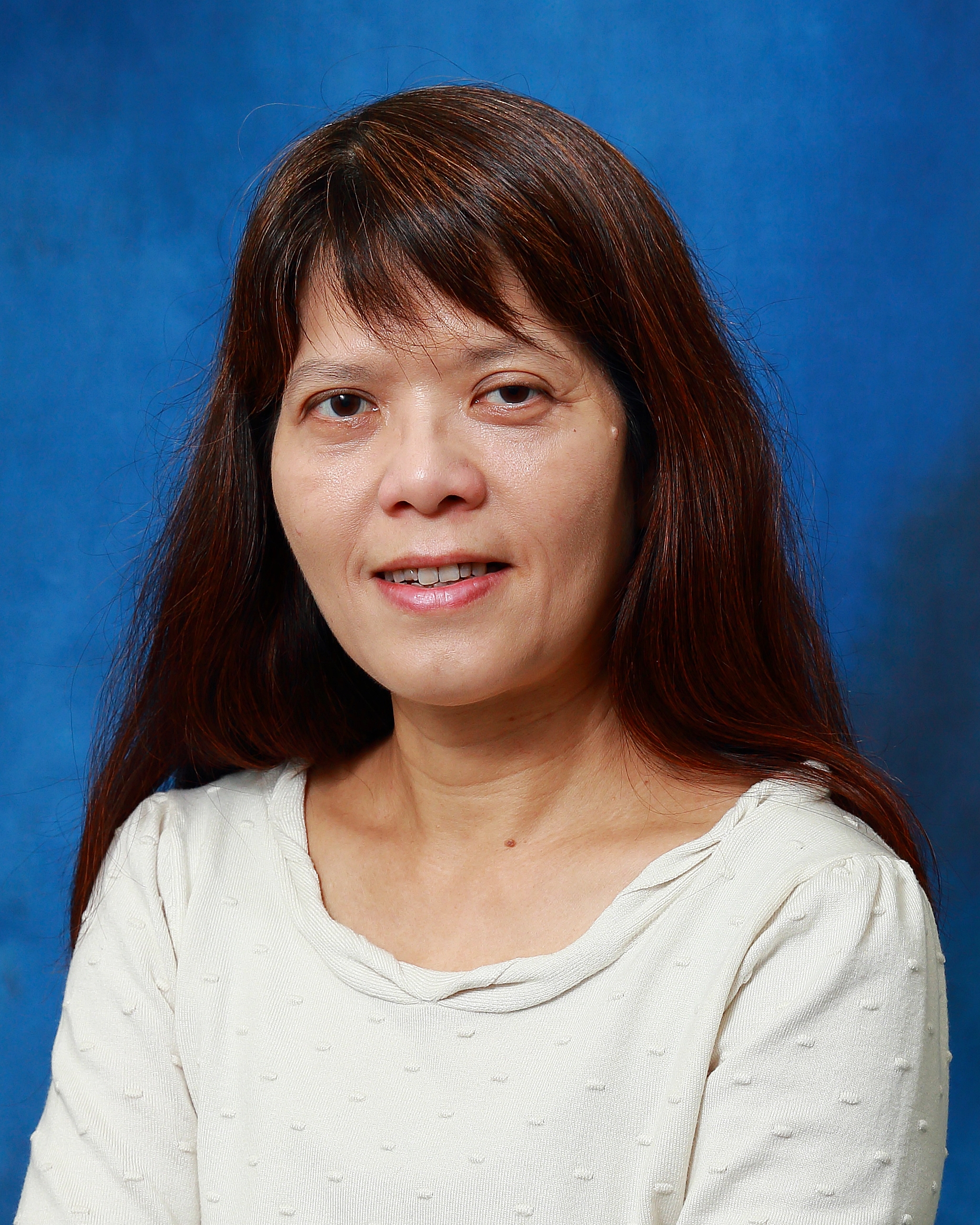
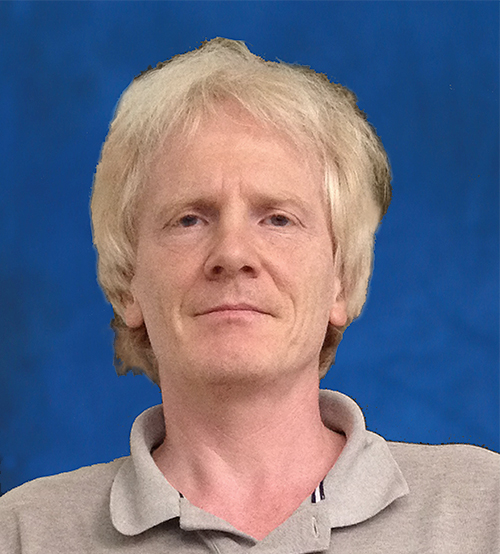
Prof. Jianwei Huang, Department of Information Engineering, CUHK (left) and his PhD student Ms. Yuan Luo.


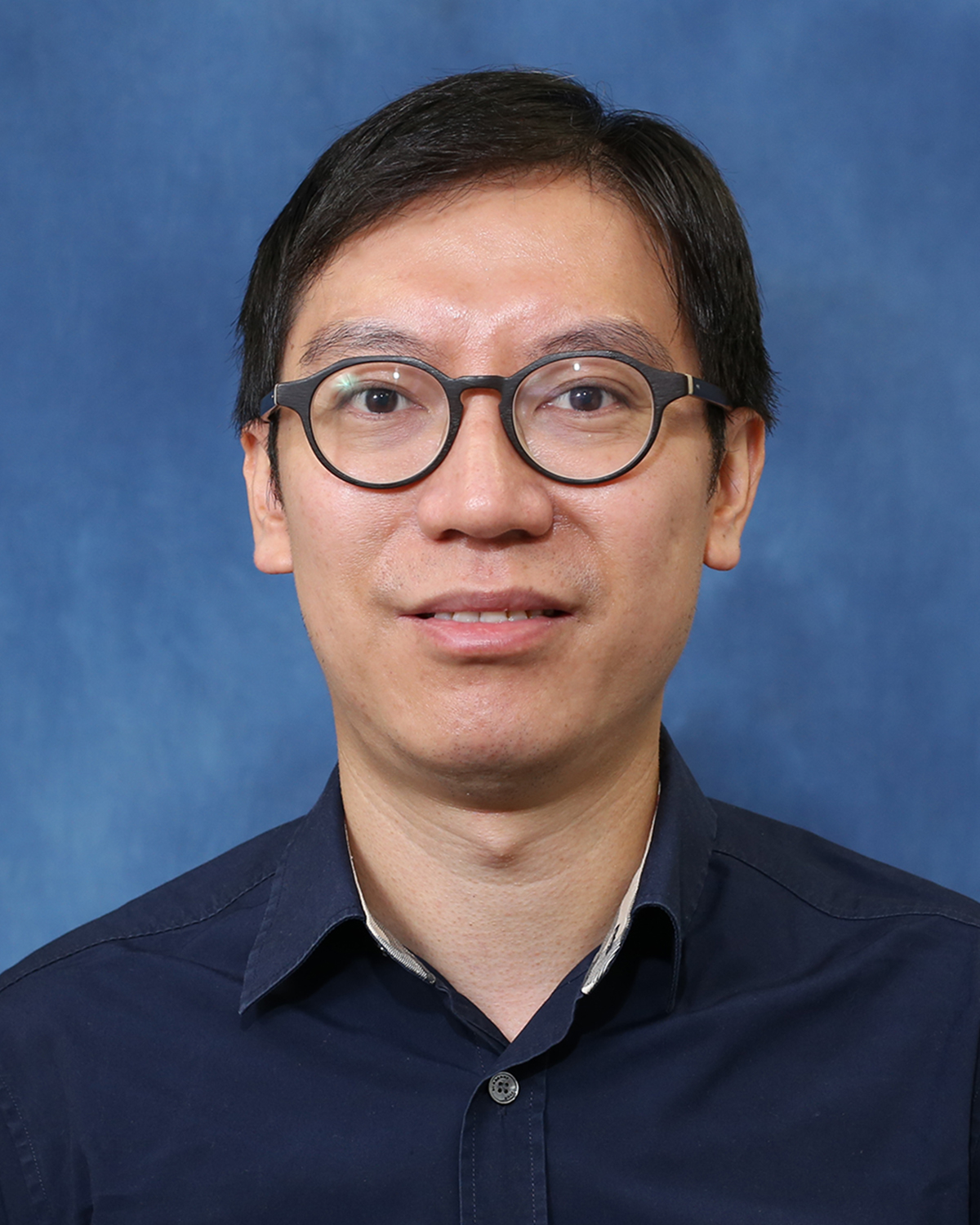
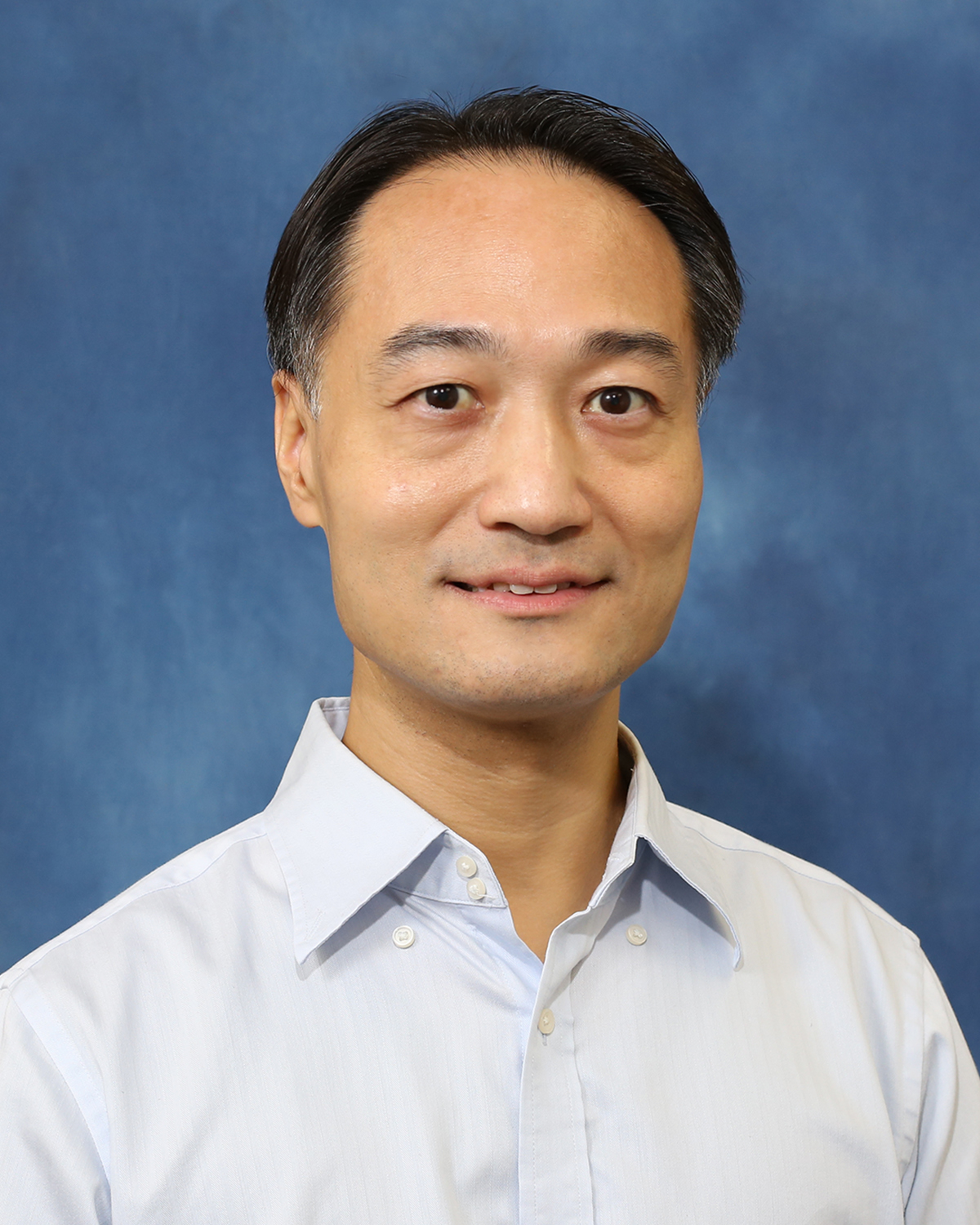
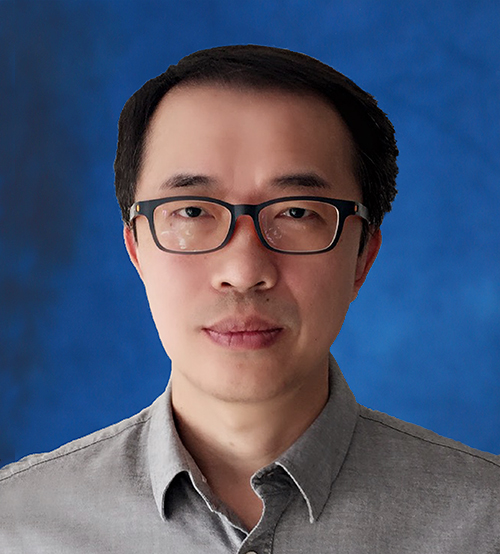
(From left) The information market model for TV white space networks proposed by Prof. Jianwei Huang, Ms. Yuan Luo, PhD student, and Dr. Lin Gao, Postdoc Research Fellow won the Best Paper Award in IEEE WiOpt 2014.


The information market model for TV white space networks.


白頻譜網絡資訊巿場模型


CUHK Faculty of Engineering Researchers Develop New Business Model to Make Broadband Wireless Services Economical and Sustainable

Prof. Jun Wang Won an IEEE Neural Networks Pioneer Award

Date: 
2014-09-10
Thumbnail: 
Body: 

The biennial IEEE World Congress on Computational Intelligence was held in Beijing on July6-11, 2014. Several awards such as Neural Networks Pioneer Award, Fuzzy Systems Pioneer Award, and Evolutionary Computation Pioneer Award were given at the awards banquet. Prof. Jun Wang from the CUHK’s Faculty of Engineering has won the Neural Networks Pioneer Award conferred by the IEEE President-elect, for his outstanding achievements on neurodynamic optimization.

Started in 1991, Neural Networks Pioneer Award is considered as the highest honor in the field of neural networks, to commemorate the outstanding contributions of some prominent scientists. Professor Wang is the third awardee in Asia to receive this honor following two professors at the University of Tokyo and Osaka University.


Filter: Dept: 
MAE

Undergraduate Summer Research Internship 2014

Date: 
2014-09-09
Thumbnail: 
Body: 

The following students are selected to receive the Best Project Awards.

1. Wong Yau Chun (BME) 黃友俊

Bacterial cellulose regenerated fiber
Supervised by Prof Douglas Yung

2. Li Linkai (EE) 李林鍇
Impedance Spectroscopy of Perovskite Solar Cells
Supervised by Prof Zhao Ni

3. Huang Jian (MAE) 黃戩
Microencapsulation and magnetic manipulation for cell delivery
Supervised by Prof Zhang Li

4. Liang Jiaxin (IE) 梁嘉炘
Programmable Intelligence for Cross-platform Socialization (PIXS)
Supervised by Prof Wing Lau

5. Zhang Qiaosheng (IE) 張喬生
Network Error-Correcting Codes
Supervised by Prof Sidharth Jaggi

6. Zhang Qiming (IE) 張启明
Distributed Backoff Protocols for Decentralized Social Networks
Supervised by Prof Wing Lau


Filter: Dept: 
Faculty

Engineering Innovations Showcased at Joint School Science Exhibition

Date: 
2014-09-08
Thumbnail: 
Body: 

The Faculty of Engineering showcased five students and professors innovations at the 47th Joint School Science Exhibition from 22 to 27 August in the exhibition gallery of the Hong Kong Public Library.

With the theme of “Household redesigned, Science redefined”, the event provided a platform for sharing innovative ideas from young people who use their knowledge of science to envision a bold world that promises better quality of life. The selected five projects that could have made a strong impact in everyday life include AI model car, lip language recognition (Best Project Award of Undergraduate Summer Research Internship), AuthPaper which tackle forgery (Professor Charles K. Kao Student Creativity Award 2013), automatic transporter (Champion in the third Greater China Design Competiton), and 'Lab-on-a-disc (LOAD) Platform – Bioassay Automation' which is able to simplify complex DNA assay and allergen testing procedures to one single step, and results will be available within an hour on-site.


Filter: Dept: 
Faculty

Dean Wong's Welcome Address to New Students

Date: 
2014-09-01
Thumbnail: 
Body: 

Dean’s Welcoming Speech
TY Wong Hall
Ho Sin Hang Engineering Building
1 September 2014

Fellow students:

It is my great pleasure to welcome you all in the Faculty welcome reception. First of all, congratulations! Congratulate on entering CUHK, a top and comprehensive University in Hong Kong, congratulate on entering our faculty, where you can achieve your highest potential.

Today is your first day in University, which is also one of the most special and remarkable times in your life. University presents a fascinating life ahead. There is a vast array of courses that you can enroll, there are abundant student societies that you can join and there are a lot of college activities that await your participation. To a freshman like you, everything is new, everything is interesting. Some of you may feel very excited while some of you may feel overwhelmed. To maximize time use, you’d better plan your schedule before school starts. Better still, spend some time to set your goals and spend some time to plan for the coming years, think about what you want to achieve in these few years. After all, four years are really short. Set your goals high and never underestimate your capability.

Good time management and self-motivation are keys to success. Although participating in student and college activities is a good experience, you have to spend your time wisely. Strike a balance between studying and socializing. Do not spend too much time in those activities and neglect your studies. It is perhaps tempting to enjoy the moment and to have fun with friends, rather than working hard on your studies. But if you work hard enough, you will find engineering is actually much more interesting than the society activities. More importantly, success does not come without hard work and the few years at university go very quickly. If you do NOT want to end up being mediocre, study hard. If you want to have a fruitful university life, study hard. If you want to have a rewarding career, study hard.


As I said, although our engineering programmes are challenging, they are also very rewarding. You can make a world of difference with your engineering skills. Let us have a look at the NAE Grand Challenges for the 21st century and you will get a glimpse of what great things you can achieve when you become an engineer.

However, before you can solve the grand challenges, you have to deal with the basics first. In order to grasp the advanced physics, math, biology, chemistry, IT, etc. that are consisted in our programmes, you have to spend time to study, reflect and think. It is important to build a solid understanding of all the fundamentals. Do not just memorize your lecture notes. Be more serious at class and ask more critical questions. Our teachers aim at inspiring you to think and find out the solutions by yourselves instead of just bombarding you with text book materials. Please do ask them questions when you don’t understand any of your lecture materials. They are there to help.

Besides learning the fundamentals, it is also very important to do undergraduate research. It trains you to be innovative and independent. The Faculty has an Undergraduate Summer Research Internship Programme that you should take advantage of. Prof. Michael Cheng will introduce this programme later.

Some of you get very good entrance grades in secondary school whereas some of you may not. But entrance grade is really not that important. We are here to have a fresh start. Another key to success is to work hard and work smart. Hard work bears fruits and those who sow in tears will reap with songs of joy. Do not give up easily when you find the courses difficult. When you run into problems, make sure you get proper help as soon as possible. Each of you has been assigned an adviser. Do contact them when you have problems. All our tutors and professors are willing and ready to help. If there are difficulties too great that your advisers can’t solve, you may find your department chairman, the associate deans or me. I’ll introduce them later.

You are lucky that CUHK is a comprehensive University, which offers courses from a lot of different fields. You are encouraged to broaden your views by taking elective courses, such as humanities, philosophy, etc. while focusing on your engineering and science core courses or electives. You are also encouraged to take part in the work- study or exchange programmes or undergraduate research that our faculty offers. All these would help develop your skills and raise your competitiveness.

Last but not least, I would like to share a meaningful Chinese proverb with you from <禮記.中庸>: 博學之, 審問之, 慎思之, 明辨之, 篤行之, which means to learn from a variety of places, to ask until you satisfy your desire to learn, to reflect meticulously, to distinguish clearly and to manifest that things you have learnt.


I hope all of you will graduate with flying colours and become an engineer with deep and broad knowledge. Remember to work hard and aim high. Never underestimate your own ability and go for your passion.


Filter: Dept: 
Faculty
EE

Novel Face Recognition System Developed by CUHK Faculty of Engineering Achieves 99.15% Accuracy

Date: 
2014-08-06
Thumbnail: 
Body: 

A CUHK research team led by Prof. Xiaoou Tang, Professor, Department of Information Engineering, and Prof. Xiaogang Wang, Assistant Professor, Department of Electronic Engineering, has built a novel facial recognition system that with the highest accuracy in the world.  While humans recognize faces at an accuracy rating of 97.53% on Labeled Faces in the Wild, the recognition system developed by CUHK was tested using thousands of picture sets, and it can recognize faces at an accuracy of 99.15%, regardless of changes in lighting, make-up and camera angles.  This is the first time for computing algorithms to reach human face verification performance on this dataset. 

'The key challenge of face recognition is to develop effective feature representations for reducing intra-personal variations while enlarging inter-personal differences,' said Prof. Xiaogang Wang.  'With deep learning, the system is provided much more powerful tools to handle the two types of variations and significantly improves the accuracy of face recognition.  This technology has numerous important applications in security, law enforcement, Internet and entertainment.'  The system could help law enforcement and security agencies to seek out individuals among a crowd of thousands.  Traditional video surveillance can only focus on a small number of objects in a very simple environment.  With the new system the users can target thousands of objects in very complex environments. 

Deep learning is the biggest breakthrough in artificial intelligence (AI) in recent years.  It simulates human brain's behaviors by training large scale neural networks from big data based on intensive graphics processing unit (GPU) computing. 

Face recognition is one of the most important grand challenges in computer vision and AI.  Scientifically, this is also an important benchmark on whether AI can reach the level of human intelligence or even surpass it. The breakthrough achieved by CUHK is a strong evidence that deep learning makes AI possible. It opens the door to many important applications, such as finding terrorists from surveillance videos, recognizing imposters at ATM machines, and automatically tagging face images uploaded to social networking sites. 

The CUDA Research Center at CUHK

As a pioneer in the field of deep learning, CUHK has been selected as Hong Kong's first NVIDIA[1] CUDA[2] Research Center which aims to prepare researchers, engineers and computer scientists for ground-breaking work using GPU accelerators. Prof. Xiagang Wang is the director of this new CUDA Research Center. CUHK will utilize the facility and technical support provided by NVIDIA to enhance its computing arsenal in the areas of deep learning.  With the support of GPU parallel computation systems, researchers at CUHK will continue to develop deep learning technologies and apply them to various computer vision related applications including video surveillance, web scale image and video search, as well as human and computer interaction.  The Department of Electronic Engineering at CUHK will also offer a first-ever graduate course on deep learning in the 2014-15 academic year to nurture local talents in GPU related applications. 

The new CUDA Research Center at CUHK will provide various facility and technical support for the University to conduct GPU related research activities.  CUHK will have priority for pre-release access to hardware and software provided by NVIDIA.  Recently, NVIDIA has provided the fastest Tesla cards to support CUHK's research of deep learning on face recognition. It normally takes one month for a central processing unit (CPU) to train a deep neural network for face recognition, while a Tesla K40 GPU can complete the training process within 10 hours. NVIDIA will provide GPU training and education sessions for engineers and researchers at CUHK.  The engineers from NVIDIA will help the research groups at CUHK set up the optimal configurations of GPU computing systems for crowd video surveillance and training of deep neural networks. They will also help re-implement the computing algorithms developed by CUHK to improve their efficiency on GPU and make them assessable by other GPU users, which is very important for generating impact of research at CUHK. 

[1] About NVIDIA®

NVIDIA is the world leader in visual computing technologies and the inventor of the GPU, a high-performance processor that generates breathtaking, interactive graphics on workstations, personal computers, game consoles and mobile devices. 

[2] About CUDA® (Compute Unified Device Architecture)

CUDA is NVIDIA's parallel computing platform and programming model that enables dramatic increases in computing performance by harnessing the power of GPU.  Institutions identified as CUDA Research Centers are doing world-changing research by leveraging CUDA and NVIDIA GPUs.

The facial recognition system developed by CUHK conducts face parsing via deep learning.


Prof. Xiaogang Wang


Prof. Xiaoou Tang


Novel Face Recognition System Developed by CUHK Faculty of Engineering Achieves 99.15% Accuracy

Novel Face Recognition System Developed by CUHK Faculty of Engineering

Date: 
2014-08-06
Thumbnail: 
Body: 

A CUHK research team led by Prof. Xiaoou Tang, Professor, Department of Information Engineering, and Prof. Xiaogang Wang, Assistant Professor, Department of Electronic Engineering, has built a novel facial recognition system that with the highest accuracy in the world. While humans recognize faces at an accuracy rating of 97.53% on Labeled Faces in the Wild, the recognition system developed by CUHK was tested using thousands of picture sets, and it can recognize faces at an accuracy of 99.15%, regardless of changes in lighting, make-up and camera angles. This is the first time for computing algorithms to reach human face verification performance on this dataset.

'The key challenge of face recognition is to develop effective feature representations for reducing intra-personal variations while enlarging inter-personal differences,' said Prof. Xiaogang Wang. 'With deep learning, the system is provided much more powerful tools to handle the two types of variations and significantly improves the accuracy of face recognition. This technology has numerous important applications in security, law enforcement, Internet and entertainment.' The system could help law enforcement and security agencies to seek out individuals among a crowd of thousands. Traditional video surveillance can only focus on a small number of objects in a very simple environment. With the new system the users can target thousands of objects in very complex environments.

Deep learning is the biggest breakthrough in artificial intelligence (AI) in recent years. It simulates human brain's behaviors by training large scale neural networks from big data based on intensive graphics processing unit (GPU) computing.

Face recognition is one of the most important grand challenges in computer vision and AI. Scientifically, this is also an important benchmark on whether AI can reach the level of human intelligence or even surpass it. The breakthrough achieved by CUHK is a strong evidence that deep learning makes AI possible. It opens the door to many important applications, such as finding terrorists from surveillance videos, recognizing imposters at ATM machines, and automatically tagging face images uploaded to Facebook.

The CUDA Research Center at CUHK

As a pioneer in the field of deep learning, CUHK has been selected as Hong Kong's first NVIDIA[1] CUDA[2] Research Center which aims to prepare researchers, engineers and computer scientists for ground-breaking work using GPU accelerators. Prof. Xiagang Wang is the director of this new CUDA Research Center. CUHK will utilize the facility and technical support provided by NVIDIA to enhance its computing arsenal in the areas of deep learning. With the support of GPU parallel computation systems, researchers at CUHK will continue to develop deep learning technologies and apply them to various computer vision related applications including video surveillance, web scale image and video search, as well as human and computer interaction. The Department of Electronic Engineering at CUHK will also offer a first-ever graduate course on deep learning in the 2014-15 academic year to nurture local talents in GPU related applications.

The new CUDA Research Center at CUHK will provide various facility and technical support for the University to conduct GPU related research activities. CUHK will have priority for pre-release access to hardware and software provided by NVIDIA. Recently, NVIDIA has provided the fastest Tesla cards to support CUHK's research of deep learning on face recognition. It normally takes one month for a central processing unit (CPU) to train a deep neural network for face recognition, while a Tesla K40 GPU can complete the training process within 10 hours. NVIDIA will provide GPU training and education sessions for engineers and researchers at CUHK. The engineers from NVIDIA will help the research groups at CUHK set up the optimal configurations of GPU computing systems for crowd video surveillance and training of deep neural networks. They will also help re-implement the computing algorithms developed by CUHK to improve their efficiency on GPU and make them assessable by other GPU users, which is very important for generating impact of research at CUHK.

[1] About NVIDIA®

NVIDIA is the world leader in visual computing technologies and the inventor of the GPU, a high-performance processor that generates breathtaking, interactive graphics on workstations, personal computers, game consoles and mobile devices.

[2] About CUDA® (Compute Unified Device Architecture)

CUDA is NVIDIA's parallel computing platform and programming model that enables dramatic increases in computing performance by harnessing the power of GPU. Institutions identified as CUDA Research Centers are doing world-changing research by leveraging CUDA and NVIDIA GPUs.


Filter: Dept: 
EE
IE

Professor Liao Wei-Hsin Appointed Associate Dean (Student Affairs)

Date: 
2014-08-01
Thumbnail: 
Body: 

Prof. Liao Wei-Hsin has been appointed Associate Dean (Student Affairs), effective from 1 August 2014.

Prof. Liao joined the Department of Mechanical and Automation Engineering at CUHK since 1997, where he is also the founding director of the Smart Materials and Structures Laboratory. He was awarded the Research Excellence Award (2010-2011) of CUHK. He is also an active member of Adaptive Structures & Material Systems (ASMS) Branch of the ASME and the Chair of IEEE Hong Kong Joint Chapter of Robotics, Automation and Control Systems during 2011-13. Prof. Liao received 2012 Chapter of the Year Award from the IEEE Robotics and Automation Society. He currently serves as an Associate Editor for Journal of Intelligent Material Systems and Structures, as well as Smart Materials and Structures. Dr. Liao is a Fellow of ASME, HKIE, and IOP.


Filter: Dept: 
MAE

Pages